


.png)
Math doesn’t live in a textbook. It lives in bodies, stories, sound, space, money, code, and movement. During Black History Month, it matters that children see people who look like them using math in powerful, unexpected ways. Not just as “mathematicians,” but as creators, athletes, artists, architects, and innovators. When learners recognize math as a human tool rather than a school subject, confidence follows. Identity comes before achievement. Always has.
Below are Black figures who used math deeply in their work, even though that’s not what they’re most famous for.
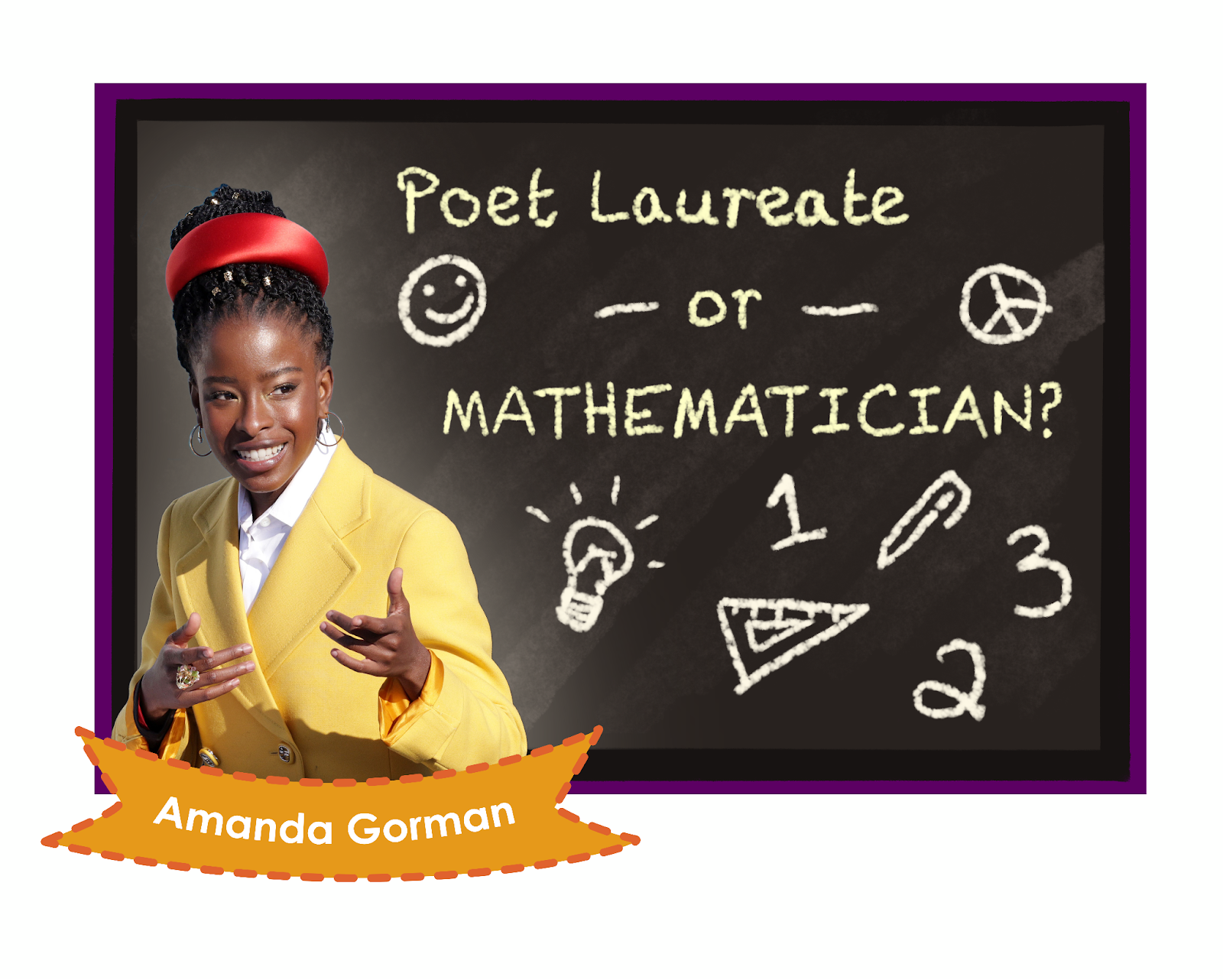
Amanda Gorman - Poetry as Mathematical Structure
Poetry is math in disguise. Meter, rhythm, syllable counts, pacing, repetition, and symmetry all require numerical awareness and pattern recognition. Gorman’s work makes timing and structure visible and proof that math shapes language, emotion, and memory. This is math you feel before you calculate.
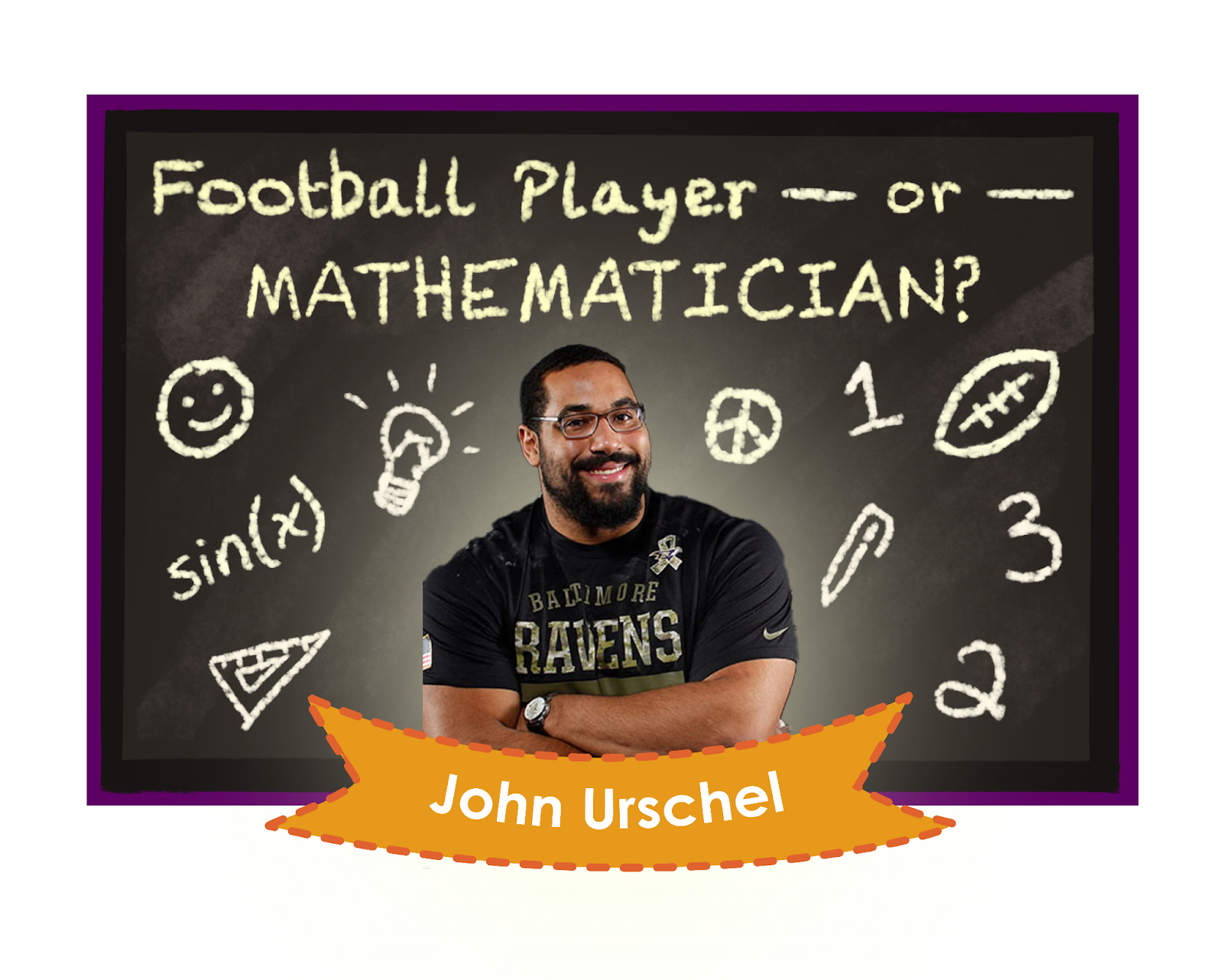
John Urschel - From NFL to Number Theory
Urschel didn’t leave football for math, he was always doing both. Football relies on geometry, probability, angles, timing, and optimization. Urschel later earned a PhD in mathematics, making him a living counterexample to the false “brains or brawn” story that is stereo-typed in films.
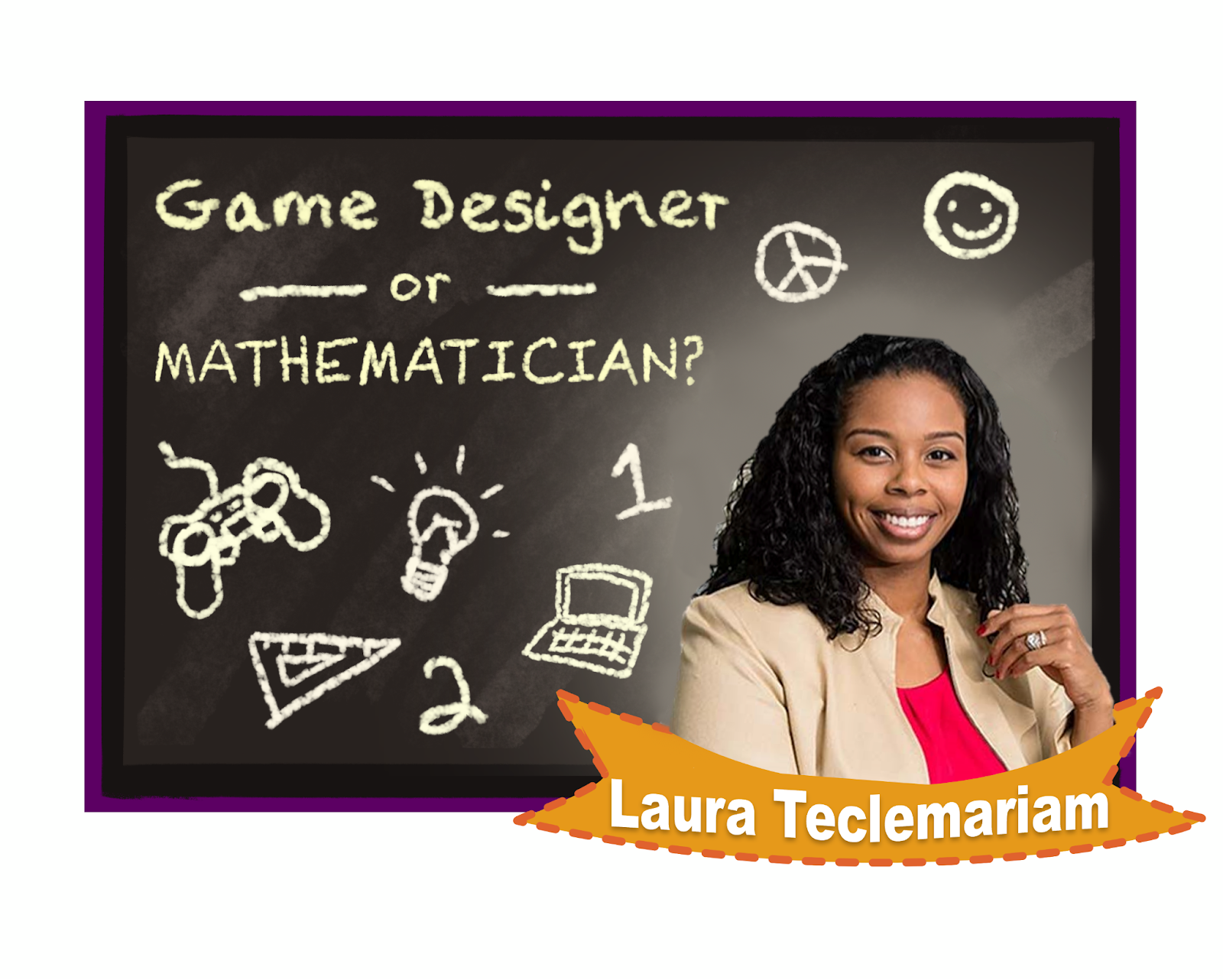
Laura Teclemariam - Game Design Is Applied Math
Game designers constantly use ratios, probability, coordinate planes, logic trees, and systems thinking. Every jump distance, score system, power-up, and level progression is math-driven. Teclemariam’s work highlights how math quietly runs the worlds kids love to play in.
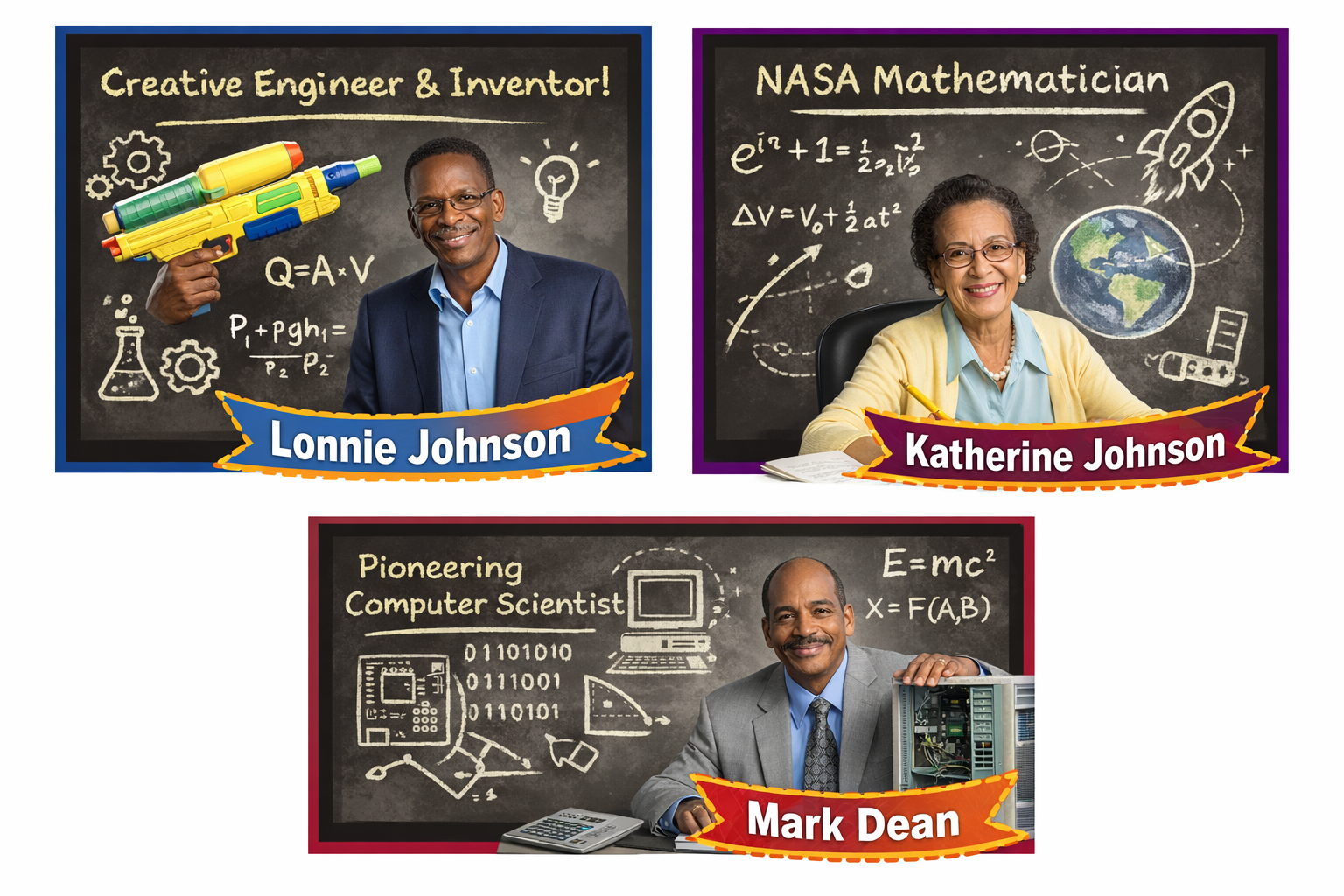
Katherine Johnson - Human Computer, Real Impact
Often labeled only as a mathematician, Johnson belongs here because her math lived inside spaceflight, navigation, and engineering. Her calculations guided astronauts home. This is math with real world stakes.
Lonnie Johnson - Engineering, Play and Physics
Known for inventing the Super Soaker, Johnson is an engineer whose work depends on fluid dynamics, measurement, and proportional reasoning. Toys, it turns out, are physics labs kids can hold and play with.
Mark Dean - Math Behind the Machines
A key inventor behind the personal computer, Dean’s work blends algebra, logic, systems design, and computational thinking. Every click, swipe, and game rests on math he helped shape.
When learners only see math represented by one type of person, they quietly decide whether they belong. When they see poets, athletes, designers, engineers, and inventors using math, the subject widens. Anxiety shrinks. Curiosity grows. Math becomes a language they’re already speaking. Seeing math used by people they recognize, admire, and can imagine becoming makes it more attainable to all.

